An energy
solution
that works
for you
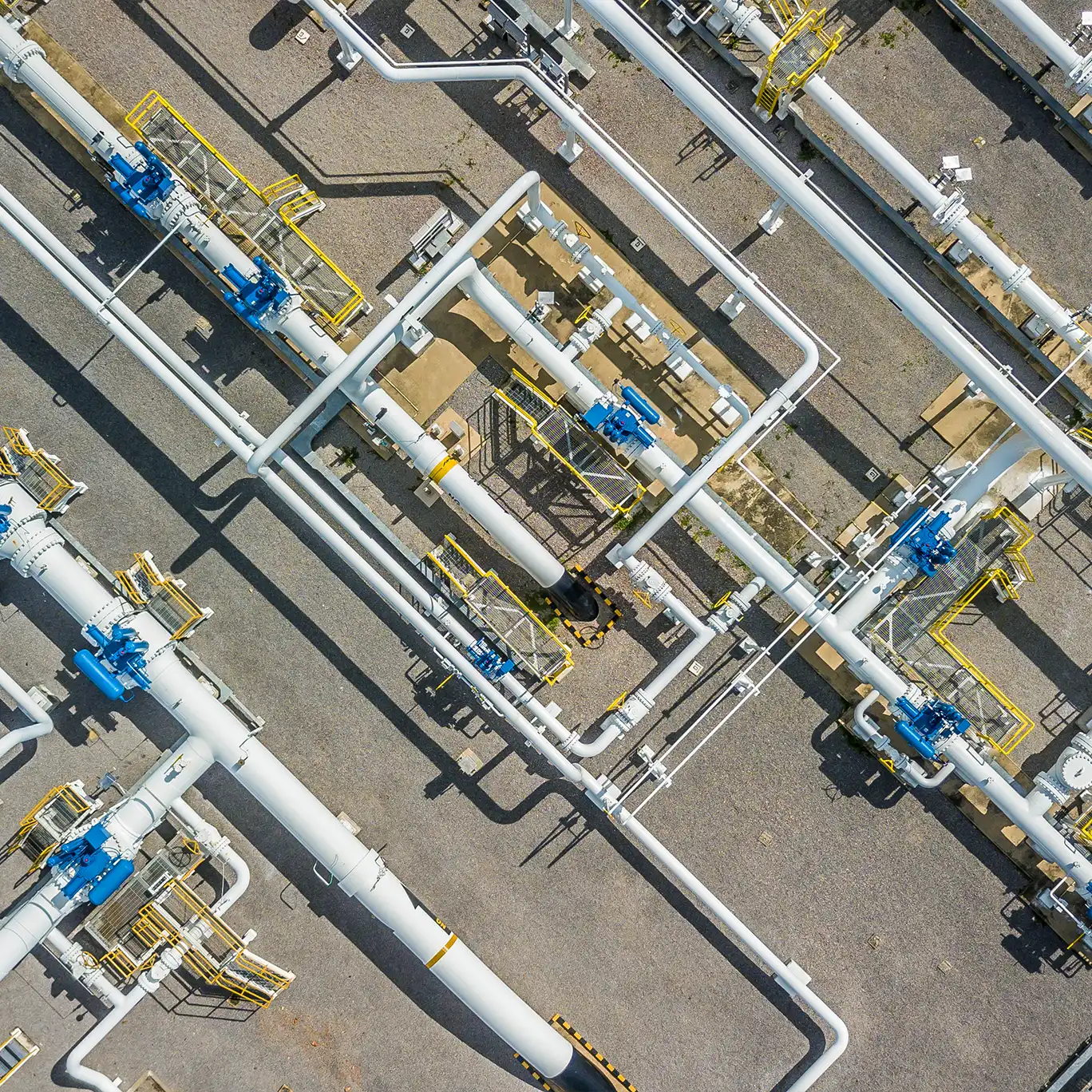

Innovative Energy
Transition for
Increasing Global Demand
WaveCrest Energy is an industry-leading energy infrastructure developer, owner, and operator dedicated to meeting the increasing global demand for reliable energy. Through technical and commercial innovations, we take a solution-based approach toward creating new energy hubs that efficiently address today’s immediate needs while seamlessly integrating with sustainable alternatives that support the transition to cleaner energy.
LNG Regasification Solutions
Natural gas is a crucial part of the world’s energy journey to reduce carbon emissions. Our projects are designed to provide energy security, promote economic growth, and support energy system stability alongside other technologies. WaveCrest’s team has been instrumental in developing new and evolving solutions in the LNG industry, and we continue to look for ways to enhance performance and flexibility with each project we pursue. Since no two projects are the same, we consider a broad range of solutions to address market needs.
The evolution of the solution
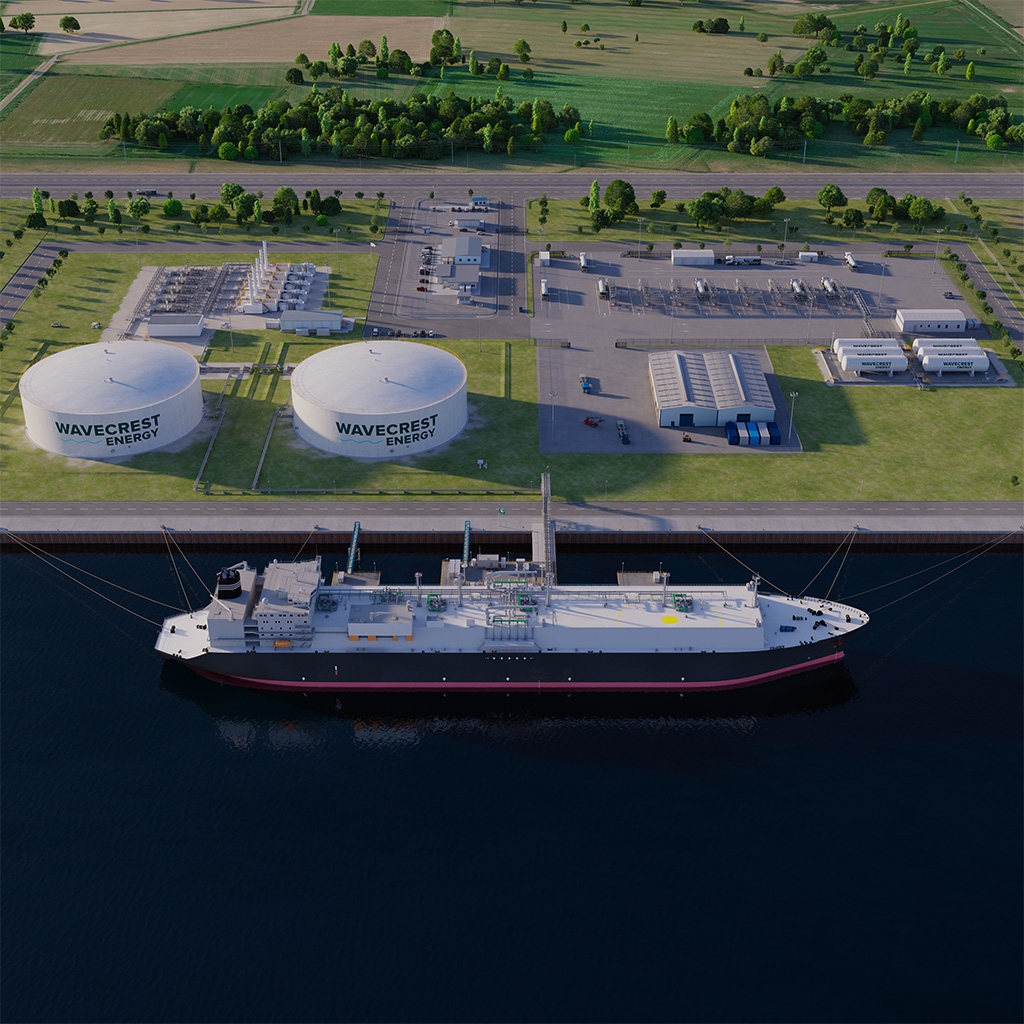
Fixed Regasification
Fixed onshore LNG regasification was where the industry began and these facilities continue to serve a vital purpose today. Primarily designed for consistent baseload deliveries for LNG, their significant onshore storage allows for ratable deliveries at high volumes over a long period of time. Given their higher cost relative to other technologies, they have historically been best suited for regions with highly concentrated demand to achieve the necessary economy of scale to make them economic. However, advances in modular equipment and tank design have made these plants more affordable and scalable over time.
Offshore Regasification
As LNG regasification technology developed, a solution was required to allow access to areas where an onshore facility was either not possible or impractical due to space limitations or security issues. Offshore solutions also addressed an industry need for rapid time-to-market solutions for critical energy events. While the first offshore LNG regasification solutions used a floating storage and regasification unit (FSRU) moored to a subsea buoy and delivering natural gas through seabed pipelines – other variations over time have included the use of gravity-based structures and yoke-moored systems. Regardless of the exact design – the principles are the same and the WaveCrest team were pioneers in the world’s first offshore LNG project in 2005.
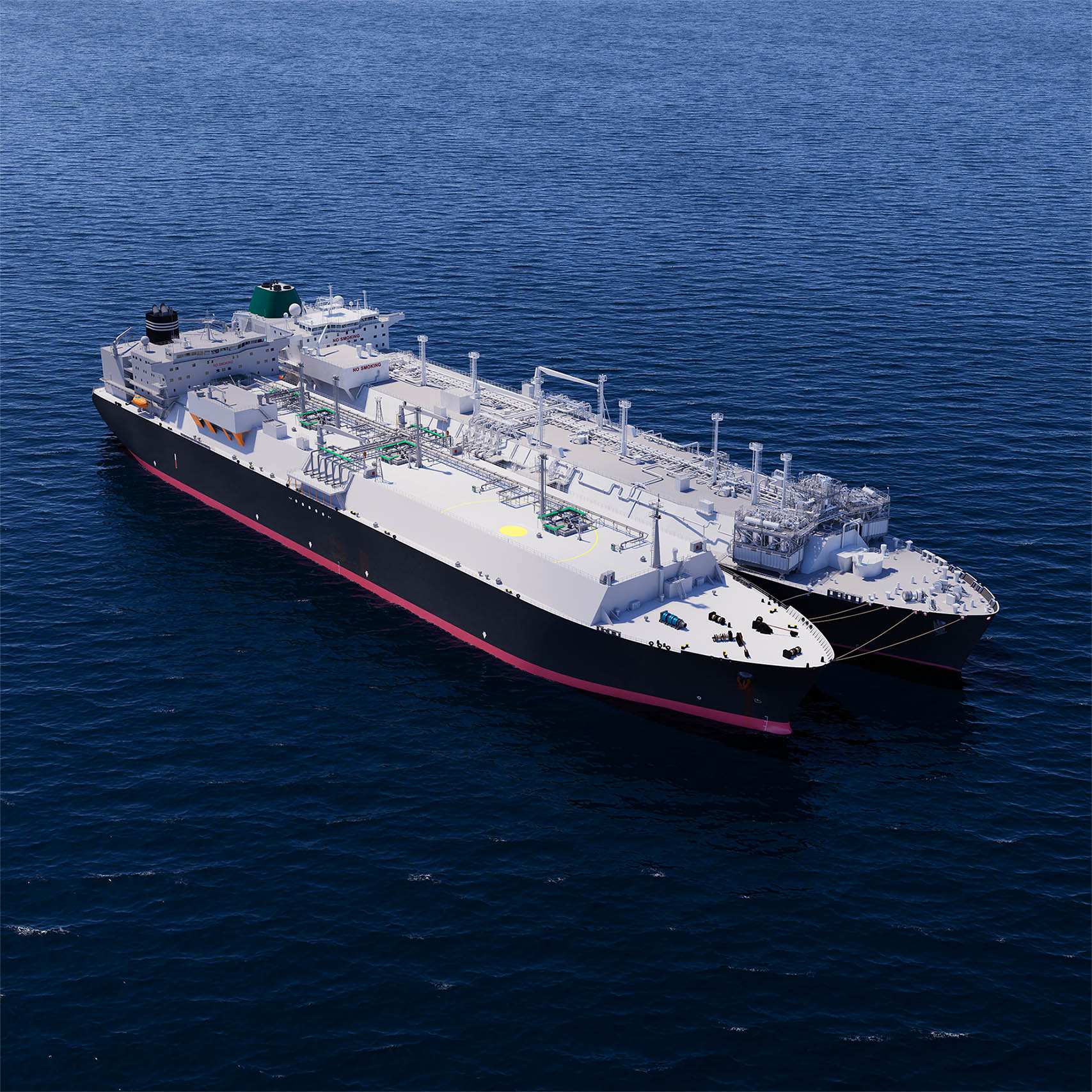
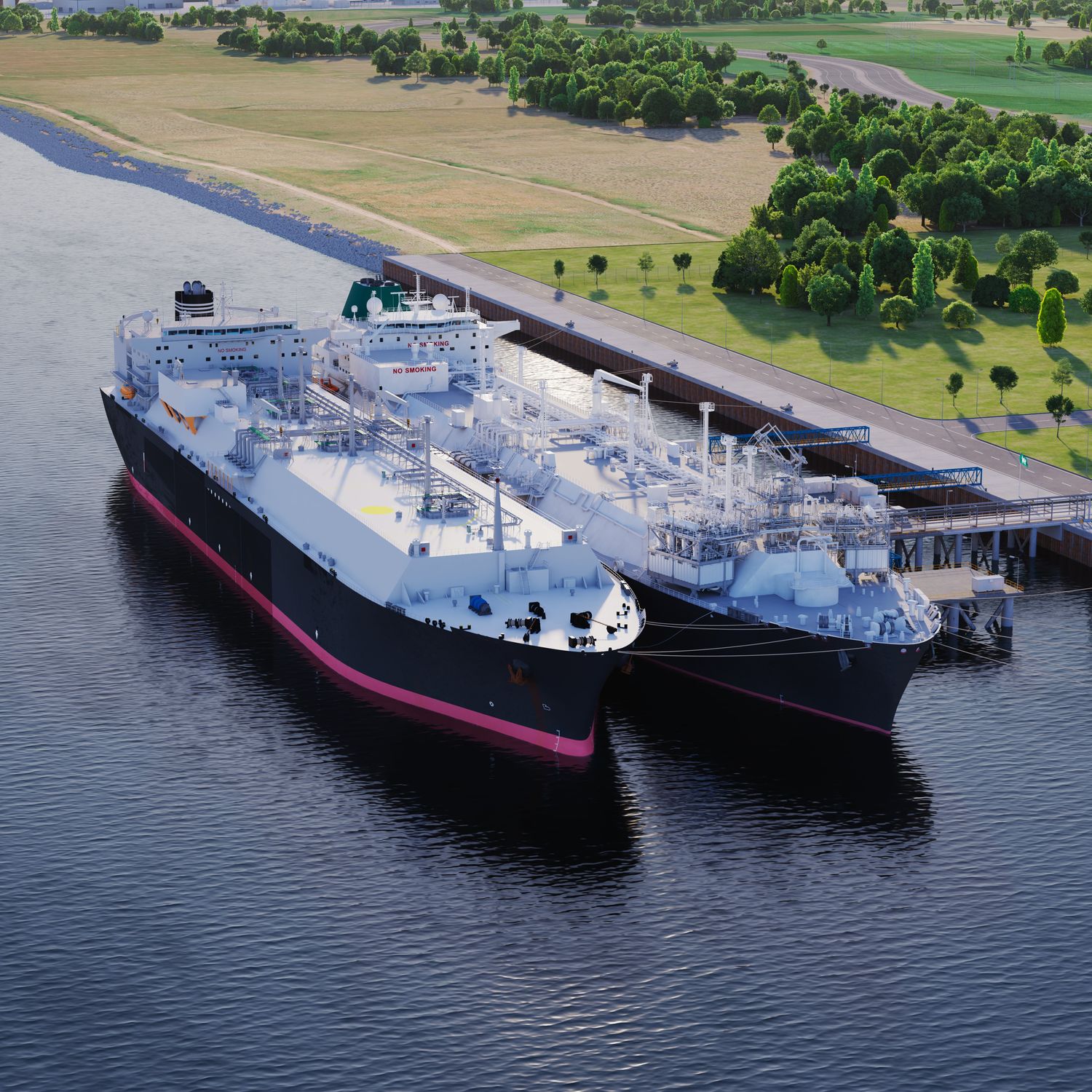
Dockside Regasification
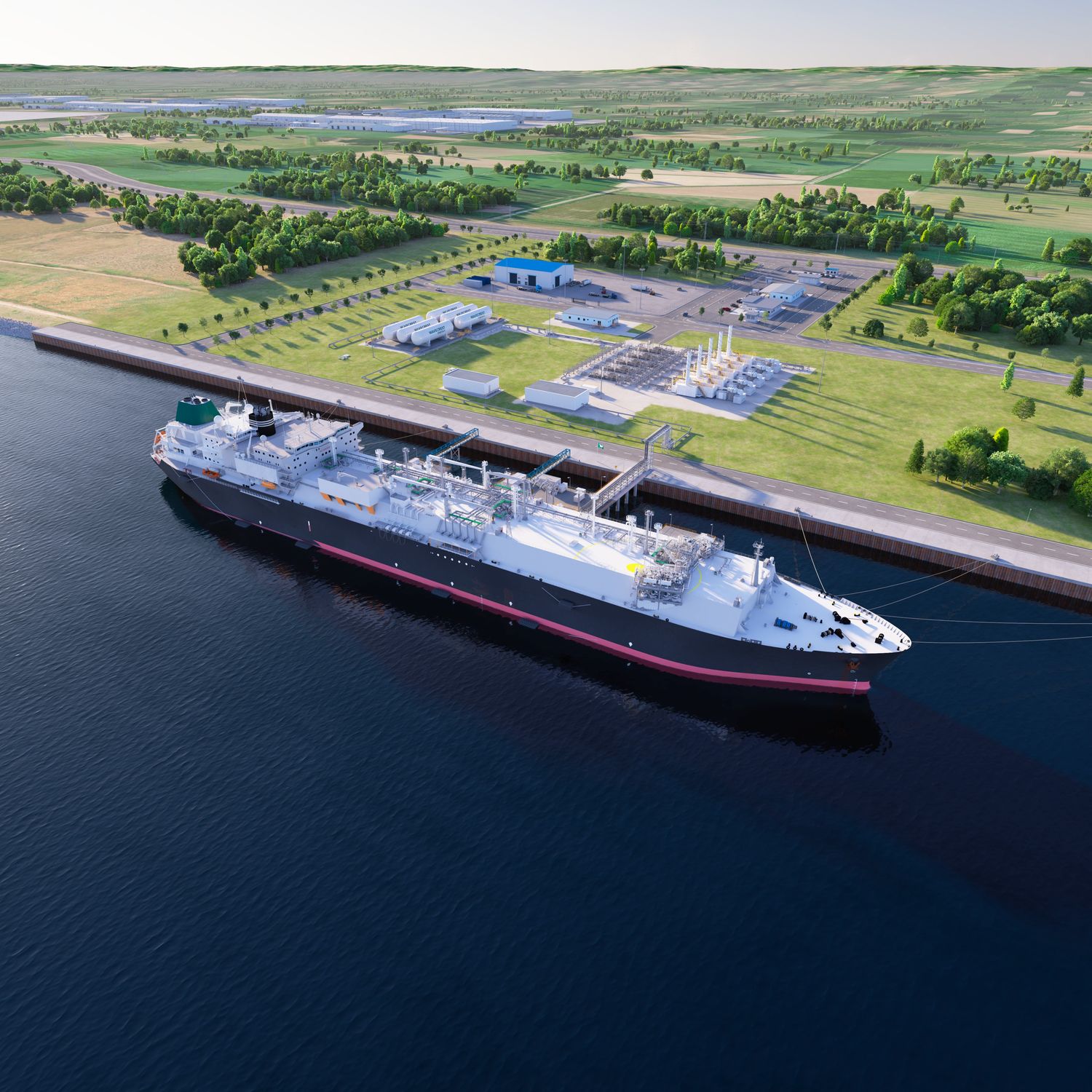
The FSRU solution was adapted next to a dockside arrangement for locations where existing jetty mooring infrastructure was available or readily developed. These solutions allow an even quicker time to market, subject to FSRU availability, and are well-suited for seasonal and baseload deliveries alike. When using existing jetty infrastructure, dockside regasification projects are more cost-efficient and have greater availability given their typical location within a protected port. The ability to perform ship-to-ship transfer allows an efficient resupply of LNG to the FSRU in the port. The WaveCrest team was involved in the construction of the first dockside LNG project in the UK in 2007, and most recently worked with the Deutsche ReGas project in Lubmin to address a critical energy need in Germany to construct a similar facility in 2023.
Hybrid Regasification
As market needs have evolved security of supply issues have become a dominant concern throughout the world. By combining key aspects of both fixed, offshore, and dockside applications above WaveCrest is again pioneering LNG regasification solutions. The increasing costs for ships and equipment necessitate a solution that minimizes infrastructure for those situations where periodic use is likely – specifically to ensure the security of supply or provide highly seasonal service. This may involve the location of LNG regasification equipment onshore using a delivering LNG carrier as its own floating storage. This effectively makes a trade-off by significantly reducing fixed costs for a small increase in variable costs when cargoes are delivered.
Related Solutions
By providing the above LNG regasification solutions, additional opportunities are enabled to further support the transition to cleaner fuels. Everyone has different requirements to meet their energy demand. This means that there is not a one-solution-fits-all approach. We pride ourselves in providing innovative solutions by adapting existing technologies to provide the best solution to specific customer requirements.
Regional Distribution
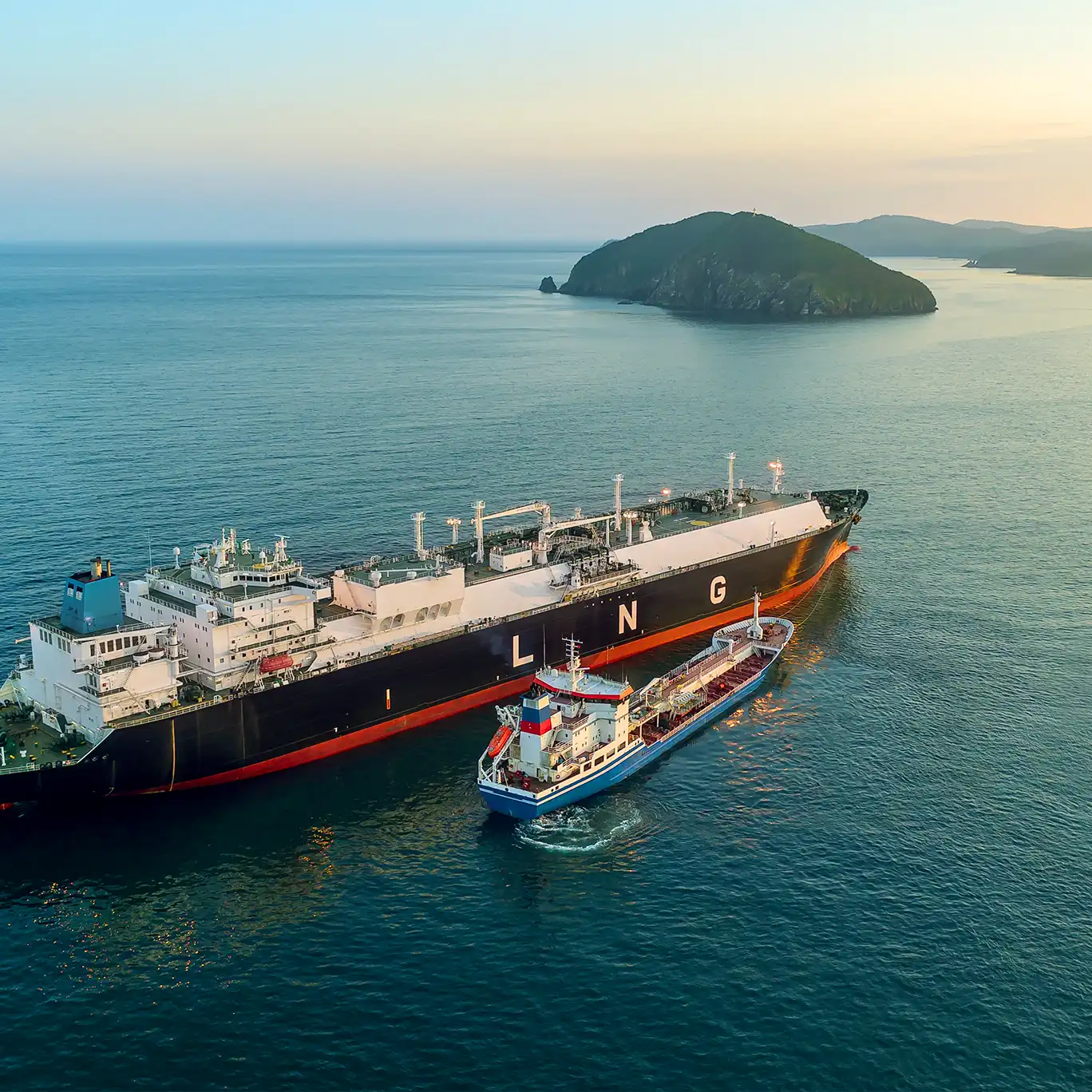
This allows LNG to be transported from a central location to outlying gas systems, power plants, and industrial users. Regional distribution may be accomplished by using small-scale LNG carriers, LNG trucks, or railcar delivery.
LNG to Power
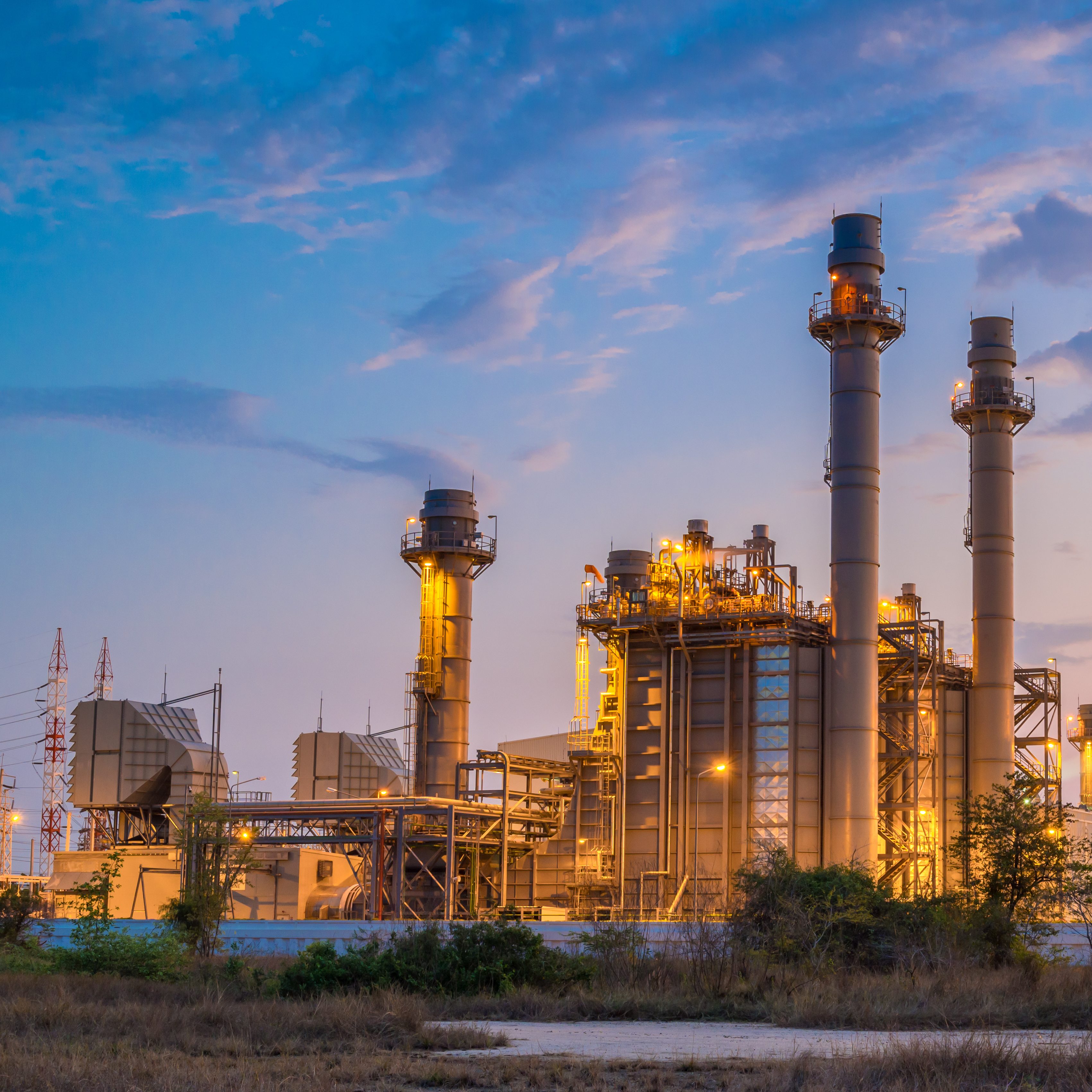
Where additional thermal power generation is required, LNG can provide a cleaner fuel alternative to oil. An LNG regasification facility (fixed, offshore, or dockside) can be combined with efficient power generation to provide a complete energy solution.
Bunkering
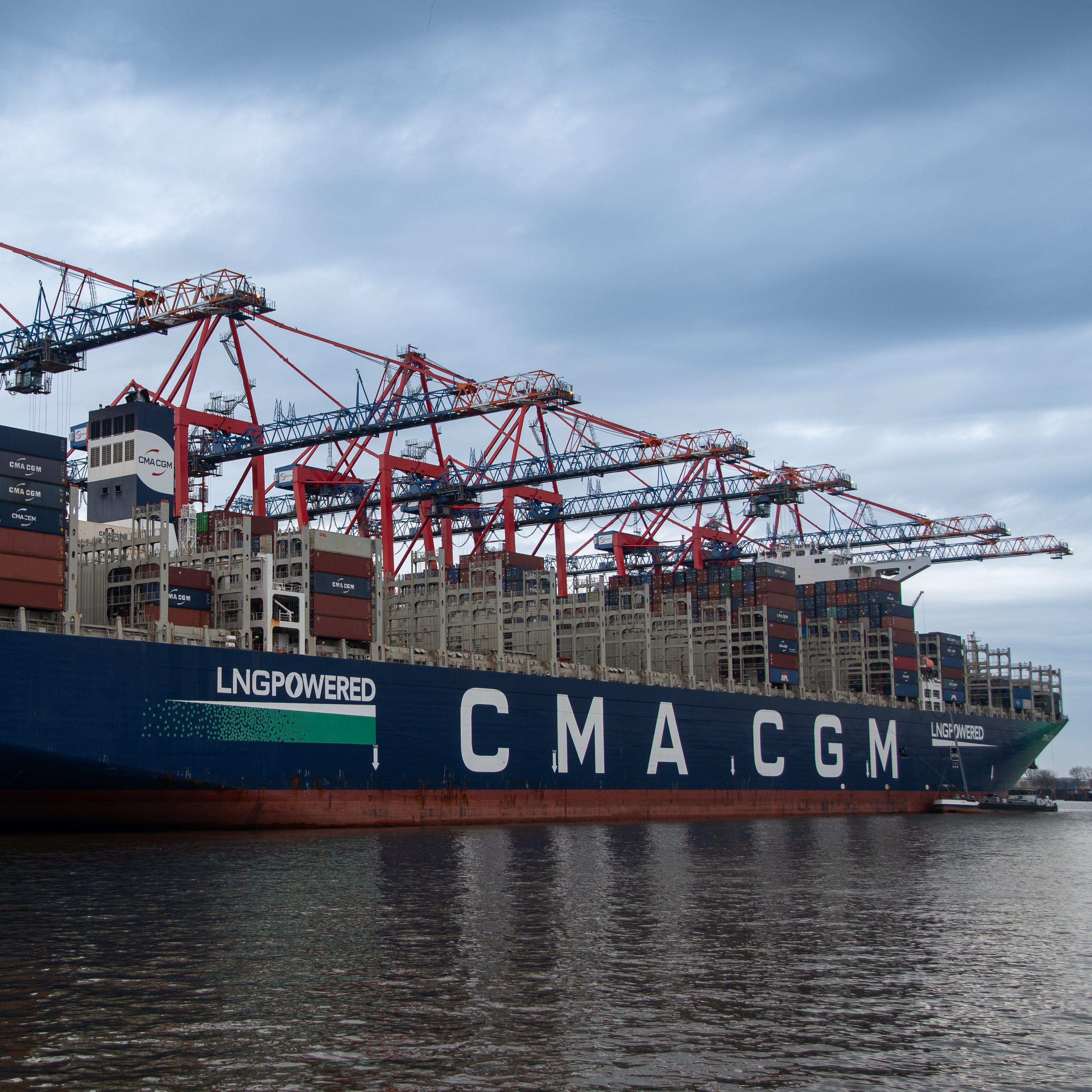
LNG is becoming a more common marine fuel, providing a cleaner source of fuel for vessels and replacing existing liquid fuels. Small-scale bunkering vessels can be used in conjunction with a larger regasification solution to provide services in a given port or region.
Each PROBLEM unique, each solution a game changer
